
 By seobymkhan@gmail.com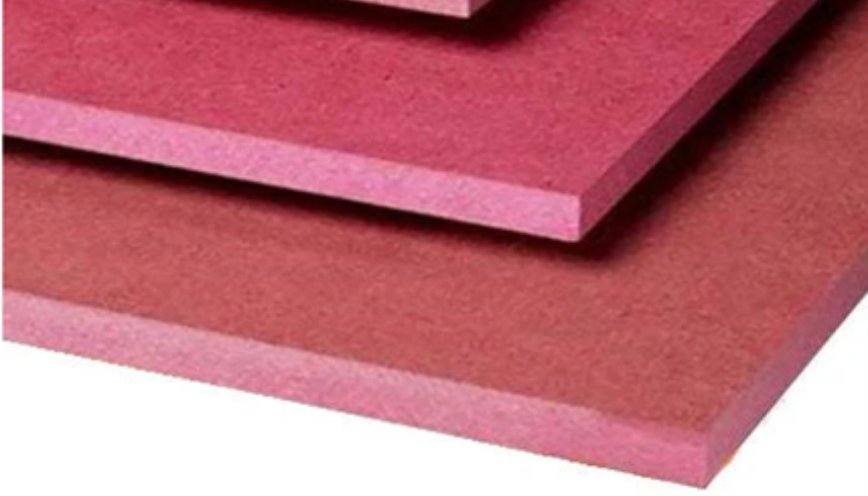
FR MDF boards are a popular choice in building constructions because they ensure high protection to structures and other things. They are suitable for both public and private buildings to prevent the spread of fire effectively. Furthermore, FR MDF boards provide methods to reduce the losses caused by fire in buildings efficiently. However, it is wise to handle them properly to maintain their fire-resistance properties to ensure a safe and smooth workflow. Users should know how to handle them carefully; that helps minimize unwanted problems.
7 safety tips to handle FR MDF boards
1. Wearing proper personal protective equipment (PPE)
Wearing proper personal protective equipment (PPE) enables users to ensure high-level protection from fine dust particles. Dust will form while cutting, machining, or sanding FR MDF products. Therefore, wearing PPE lets users protect themselves from potential dangers caused by dust particles.
2. Ensuring proper ventilation
Ensuring proper ventilation is necessary while handling FR MDF boards because they contain added chemicals that might produce fumes during cutting or machining work. One should consider working in a well-ventilated area that will minimize inhalation problems.
3. Utilizing the right tools
Utilizing the right tools will aid in achieving clean cuts and reducing airborne dust. At the same time, users should ensure they work efficiently to perform tasks with high accuracy and sharpness.
4. Safe storage and handling
Storing fire rated MDF boards in a dry and covered area will help prevent moisture absorption and other problems considerably. Also, the boards need flat stacking to avoid warping. Users should consider lifting the boards carefully to prevent damage.
5. Pre-planning the board cuts
Pre-planning FR MDF board cuts enables users to minimize wastage, and taking measurements of boards will result in several advantages. Those who don’t know about how to cut boards can get ideas from the internet or other sources that help accomplish their goals.
6. Choosing the right fixings and adhesives
Anyone who wants to handle FR MDF boards safely should select the right fixings and adhesives. Opting for fire-retardant adhesives when bonding MDF panels will help get the desired outcomes.
7. Sealing cutting edges for fire resistance
The FR MDF boards might lose some fire-resistant properties when their edges are cut which need to be sealed. Using a fire-retardant sealant or edge-bonding will help maintain compliance with safety standards. Also, it provides ways to protect the boards from low efficiency and performance while carrying out important activities.
Fire-rated MDF is engineered to resist combustion and slow fire spread, but it requires specific handling to maintain its protective integrity. First, always verify the product’s certification and fire-rating class to ensure it meets your project’s regulatory requirements. Installation is critical; the board must be fitted according to the manufacturer’s guidelines and any relevant building codes. This often involves using the correct fixings and ensuring all joints are tight and sealed with appropriate fire-rated sealants to prevent gaps where flames or smoke could penetrate.
Conclusion:
Crucially, never compromise the board’s surface. Any cutting, routing, or drilling must be accounted for before installation, as these actions can expose the non-fire-retardant core, creating a potential weak point. If modifications are absolutely necessary post-installation, all exposed edges and cavities must be treated with a certified fire-retardant paint or sealant to re-establish the protective barrier. Finally, always dispose of any off-cuts responsibly, as the chemical treatments within the board can be hazardous.
New chat