
 By seobymkhan@gmail.com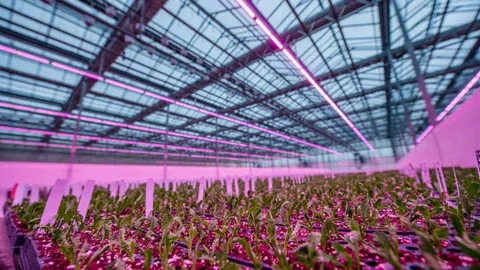
To maximize the benefits of full spectrum LED lighting for propagation, here are some tips to keep in mind:
In recent years, full spectrum LED lighting has revolutionized the way we grow plants indoors. Whether you are a beginner looking to start your indoor garden or a seasoned pro seeking to improve your propagation process, understanding the benefits of full spectrum LED lighting can make a significant difference in the health and growth of your plants.
Table of Contents
What is Full Spectrum LED Lighting?
Full spectrum LED lighting refers to a modern type of artificial illumination designed to replicate the natural spectrum of sunlight as closely as possible. Unlike traditional lighting options such as incandescent or fluorescent bulbs—which often provide only a narrow band of light wavelengths—full spectrum LEDs emit light across the entire visible spectrum, and in some cases, even extend into the ultraviolet (UV) and infrared (IR) ranges.
This broad coverage ensures that plants receive every wavelength necessary for healthy growth and development. In nature, sunlight provides the perfect balance of blue, red, green, and other wavelengths that plants depend on for photosynthesis, flowering, and fruiting. Full spectrum LED lights are engineered to mimic this balance indoors, making them ideal for greenhouses, hydroponic systems, and vertical farming setups.
By delivering a light spectrum that closely matches natural sunlight, these LEDs create an environment where plants can perform photosynthesis more efficiently. This enhanced efficiency translates into stronger root systems that anchor the plants firmly, more vigorous foliage that can capture and utilize light effectively, and ultimately healthier fruits and vegetables with improved nutritional quality. For growers, the benefits go beyond plant health—full spectrum LEDs ensure consistency and reliability in production throughout the year. Unlike traditional methods that rely heavily on seasonal sunlight, growers can now achieve uniform growth and predictable yields regardless of changing weather patterns or limited daylight hours. This stability is especially valuable for commercial farming operations aiming to maintain supply and meet customer demand on a consistent basis.
In addition, integrating modern farming tools with controlled LED environments can help farmers maximize both efficiency and sustainability. Just as outdoor enthusiasts depend on adventure gear like survival tents to remain prepared in unpredictable conditions, growers rely on full spectrum lighting to create a dependable and adaptable growth system. Both approaches highlight how the right equipment can make challenging environments manageable, whether it’s in the wild or inside a greenhouse.
How Does Full Spectrum LED Lighting Benefit Propagation?
When it comes to plant propagation, providing the right amount and quality of light is crucial for successful growth. Full spectrum LED lighting offers several advantages over other types of lighting, making it an ideal choice for propagation:
- Energy Efficiency: LED lights are highly energy-efficient, consuming less power while producing more light. This can result in lower energy costs and reduced environmental impact.
- Customizable Light Spectrum: With full spectrum LED lighting, you have the ability to tailor the light spectrum to meet the specific needs of your plants during different stages of growth. This level of customization can promote healthier and faster growth in propagated plants.
- Low Heat Emission: LED lights emit very little heat compared to traditional lighting sources, reducing the risk of heat stress and damage to delicate seedlings or cuttings.
- Longevity: LED lights have a longer lifespan than traditional bulbs, providing reliable and consistent light for your plants throughout the propagation process.
Tips for Using Full Spectrum LED Lighting for Propagation
Using full spectrum LED lighting during the propagation stage is crucial because young plants are delicate and require balanced light conditions to establish strong roots and healthy foliage. Here are some detailed tips to help you get the best results:
1. Positioning the Lights
The placement of your full spectrum LED lighting plays a big role in plant development. If the lights are too close, seedlings may suffer from light burn, showing signs of scorched leaves or slowed growth. On the other hand, placing them too far away can cause seedlings to stretch toward the light, leading to weak and leggy stems. As a general rule, keep the LEDs 12–24 inches above the plant canopy, and adjust the distance as the plants grow taller.
2. Managing Duration of Exposure
Propagation requires consistent light cycles to mimic natural conditions. Most seedlings benefit from 14–18 hours of light per day, followed by a period of darkness to allow them to “rest.” Darkness is as important as light since it helps regulate the plants’ circadian rhythm. As plants transition from propagation to vegetative growth, you may gradually adjust the light schedule to meet their needs.
3. Monitoring and Adjusting
Plants often “communicate” through their growth patterns. If leaves appear pale, growth is uneven, or stems stretch too much, it may be a sign that lighting intensity or duration needs adjustment. Use dimmable full spectrum LED systems if possible, as they allow you to fine-tune the light without stressing the plants. Regular observation ensures early correction of problems, leading to healthier growth.
4. Considering the Light Spectrum
Different wavelengths serve different purposes during propagation. Blue light, for instance, is essential for root establishment and leaf development, while red light supports early stem and overall plant structure. Full spectrum LED lighting provides both, but understanding your plant species’ preferences allows you to optimize results. For example, leafy greens may thrive under more blue light, while flowering plants may benefit from a greater balance of red wavelengths even in early stages.
By combining these practices—correct positioning, controlled duration, ongoing monitoring, and spectrum awareness—you create the ideal environment for strong, uniform, and healthy propagation. Over time, this careful balance results in plants that are not only more resilient but also capable of transitioning seamlessly into the next stages of growth without setbacks. For growers, this consistency provides confidence in achieving higher success rates during propagation, minimizing wasted effort and resources.
Just as young seedlings thrive in a stable, nurturing light environment, people also find comfort in steady illumination in their daily lives. For example, a nightlight creates a peaceful and reassuring atmosphere, offering guidance and calm during the darkest hours. In much the same way, full spectrum LED lighting guides plants through their earliest and most vulnerable stages, ensuring they grow with strength, balance, and vitality.
Conclusion:
In conclusion, full spectrum LED lighting offers a versatile and efficient solution for propagation by providing plants with the light they need to thrive. By understanding the benefits of full spectrum LED lighting and implementing best practices for usage, you can enhance the growth and health of your propagated plants effectively.
Enhance your propagation process today with full spectrum LED lighting and watch your plants flourish like never before!